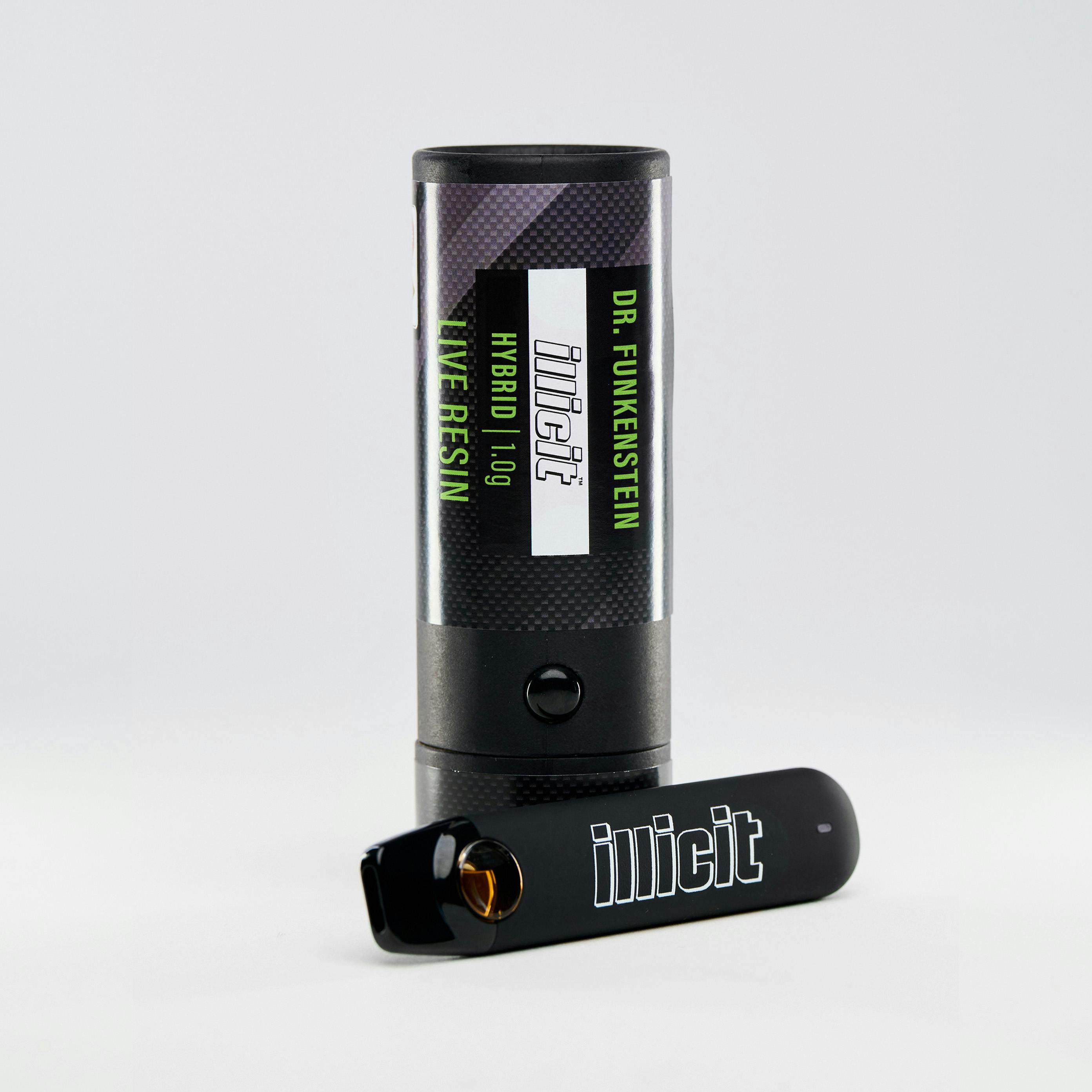
Dr. Funkenstein, also known as "Dr. Funk," is an indica-dominant hybrid strain cultivated by Royal King Seeds. Born from the legendary union of Blueberry and Bubba Kush, this strain captures the best qualities of its renowned parentage. Dr. Funkenstein offers a flavorful journey that delights the palate with a blend of sweet berry notes and earthy sharpness, reflecting its rich genetic heritage.
The strain's primary terpene profile includes Myrcene, Pinene, and Caryophyllene, contributing to its distinctive flavors and effects. Myrcene enhances the sweet, fruity aroma and promotes a sense of relaxation. Pinene introduces subtle pine undertones that can uplift and refresh the senses, while Caryophyllene adds a spicy hint that elevates the overall taste experience. This harmonious combination results in a flavor profile featuring berry, blueberry, cheesy, and sweet notes that make each encounter with Dr. Funkenstein uniquely enjoyable.
Dr. Funkenstein is celebrated for inducing a multifaceted experience that pleasantly envelops both mind and body. Users often report an onset of euphoria and cerebral stimulation, fostering feelings of happiness and creativity. As the journey continues, it gradually transitions into a powerful body sensation that promotes deep relaxation and a laid-back state. This progression may lead to increased appetite and a gentle inclination toward introspection, accompanied by a soothing, sleepy feeling. Drawing from its Blueberry and Bubba Kush lineage, Dr. Funkenstein offers a well-rounded experience that balances uplifting mental effects with calming physical relaxation.
Strain Type: Hybrid
Lineage: [Blueberry] x [Bubba Kush]
Breeder: Royal King Seeds
Primary Terpene Profile: Myrcene, Pinene, Caryophyllene
Top Reported Strain Effects: Happy, Creative, Hungry, Sleepy, Euphoric
Top Reported Strain Flavors: Berry, Blueberry, Cheesy, Sweet, Earthy
Effects
CALM
ENERGETIC
HAPPY
RELAXED
Cannabinoids
Cannabinoids are naturally occurring chemical compounds that are found in cannabis and provide consumers with a wide range of effects. THC and CBD are examples of some of the most commonly known cannabinoids.
CBD (Cannabidiol)
CBD is the second most prevalent cannabinoid and is primarily produced by hemp plants and at lower amounts in cannabis. It works as a phytocannabinoid, or binding agent, that adheres to an individual's endocannabinoid system. Cannabidiol has soared in popularity due to its lack of psychoactive effects. Most users seek CBD for its medicinal properties since it was the first cannabinoid to be approved by the FDA. Its healing properties include an ability to help you relax, reduce irritability and ease restlessness.
CBDA (Cannabidiolic acid)
CBDA is a derivative of CBGA and the precursor to the well known cannabinoid CBD. Over the last decade scientists have found that CBDA has a very similar chemical structure to that of nonsteroidal anti-inflammatory drugs (NSAIDs) and thus has shown promise in treating pain due to inflammation by inhibiting COX-2 receptors in the brain that register pain. CBDA has also been shown to help regulate the over release of serotonin that causes severe nausea and vomiting in patients receiving chemotherapy, and while more thorough research is needed these results are very promising.
CBN (Cannabinol)
CBN is a cannabinoid that is created during the breakdown of THC by UV light and exposure to oxygen. This breakdown usually begins during the drying and curing process. CBN is most commonly found in older or improperly stored cannabis samples. This compound is mildly psychoactive and is best known for its sedative effects. Strains and products with high concentrations of CBN can be a great choice for users looking to utilize cannabis products to ease restlessness and promote healthy sleep.
THC-D9 (Delta 9–tetrahydrocannabinol)
Delta 9 THC is the primary compound found in the resinous glands of a cannabis plant, and is directly responsible for psychoactive effects. It mirrors the body’s naturally occurring cannabinoids and attaches to these receptors to alter and enhance sensory perception. THC can create a feeling of euphoria by enhancing dopamine levels in the brain. The amount of THC in a cannabis product can vary widely based on the method of consumption and the strain at the source of that product. The high that is produced is often enhanced by the “entourage effect” which is a combination of multiple cannabinoids in conjunction with various terpenes and individual body chemistry.
THCV (Tetrahydrocannabivarin)
THCV sets itself apart from its cousin THC with its distinct lack of psychoactive effects. THCV also acts as an allosteric modulator for Delta-9-THC thus reducing its psychoactivity. It has been found to be helpful as an appetite suppressant, neuroprotectant and glycemic control in type 2 diabetics.


 Back
Back