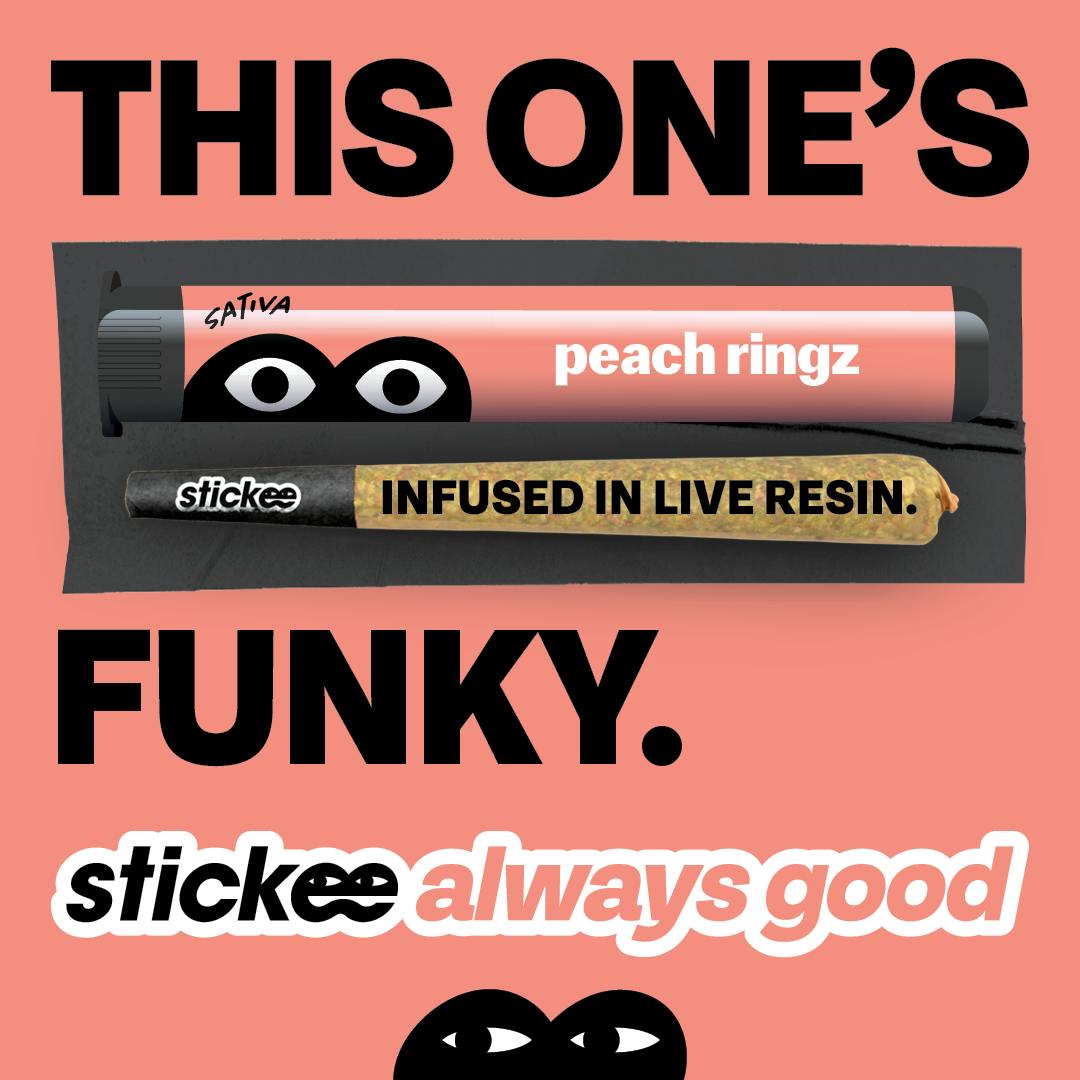
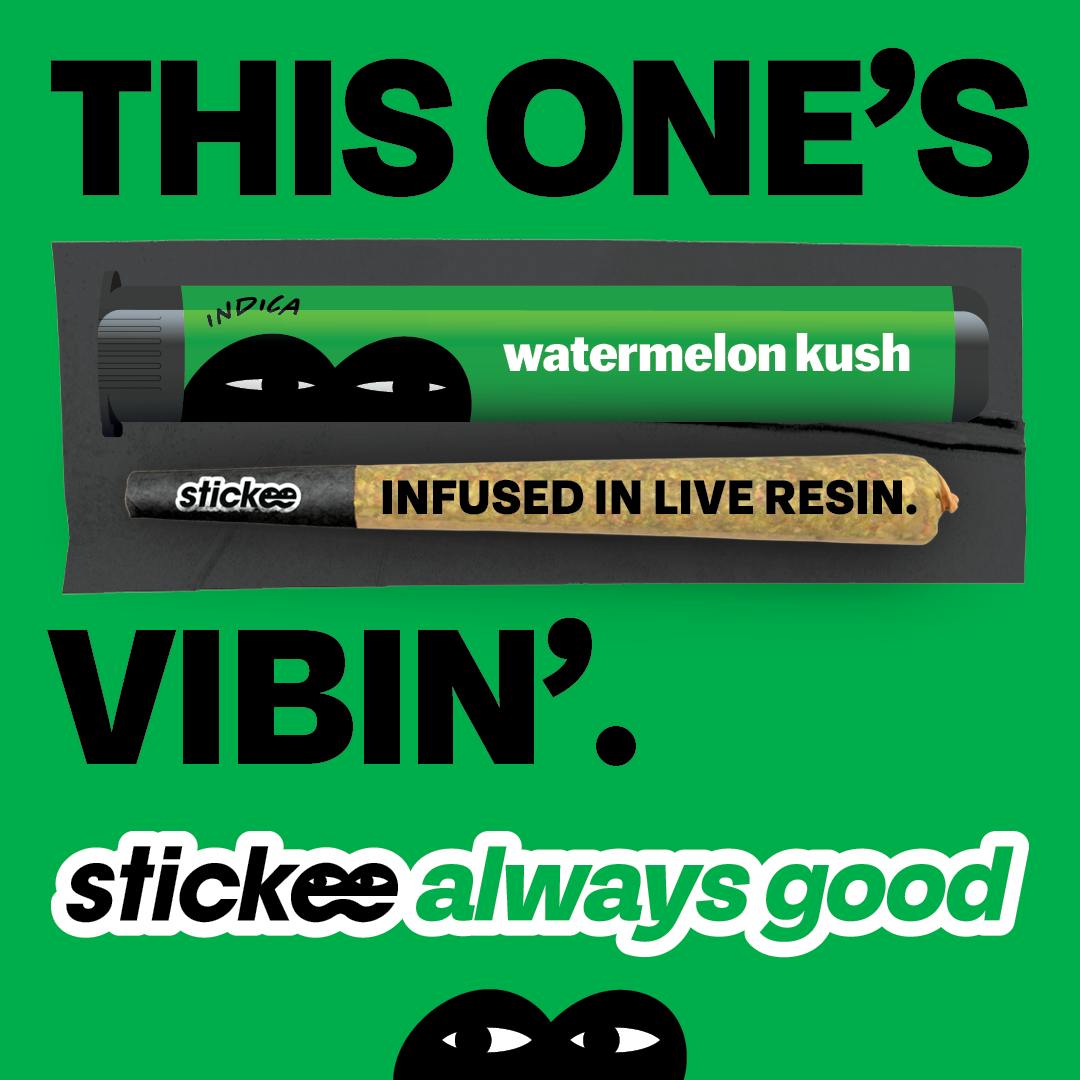
Peach Ringz isn’t just a flavor, it’s a masterclass in sweet science.
We started with premium Peach Ringz flower, a genetic mashup built for big peach candy vibes with a hint of tang. Right after harvest, we flash-froze it like a popsicle at the speed of light (okay… liquid nitrogen) to lock in every terpene molecule and limonene for the sunny lift, myrcene for that laid-back lounge mode, and caryophyllene for just enough kick to keep things interesting.
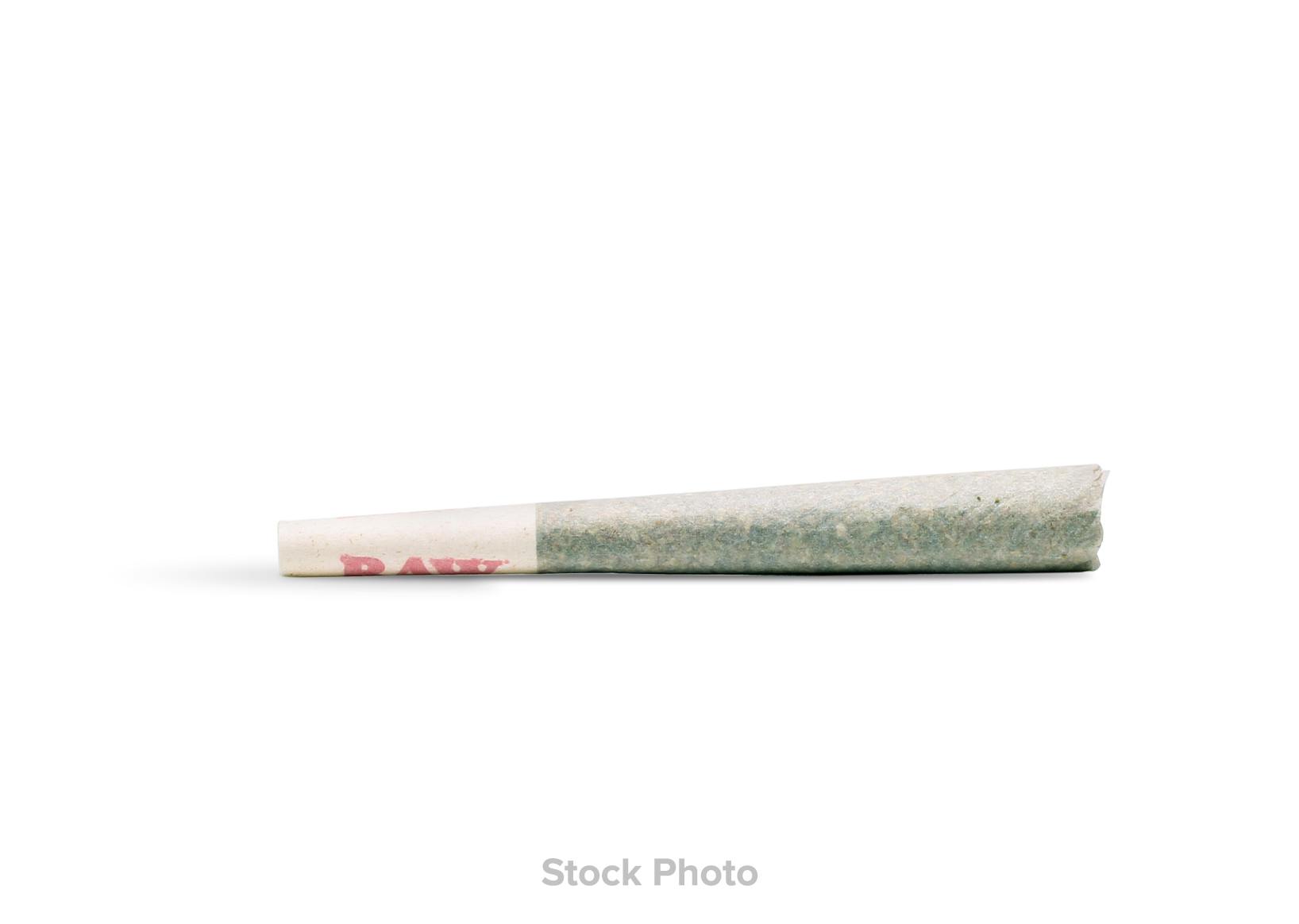
Then we extracted pure live resin at sub-zero temps and married it back to the flower, making a one-gram pre-roll so juicy it could headline a summer music festival. First puff is ripe peach sweetness, second puff is candy-shop nostalgia, third puff and you’re checking the group chat to see who’s got a pool.
Peach Ringz. Born in the lab. Raised at the party. Tested for potency, approved for good times.
Effects
CLEAR_MIND
CREATIVE
ENERGETIC
FOCUSED
HAPPY
INSPIRED
Cannabinoids
Cannabinoids are naturally occurring chemical compounds that are found in cannabis and provide consumers with a wide range of effects. THC and CBD are examples of some of the most commonly known cannabinoids.
CBC (Cannabichromene)
CBC is a unique cannabinoid and is best known for its ability to bind to the TRPV1 and TRPA1 receptors in the brain which are responsible for pain perception. Topical applications of products high in CBC have also shown promise for the treatment of osteoarthritis symptoms and in the treatment of skin conditions such as acne.
CBG (Cannabigerol)
Cannabinoids are synthesized by Cannabigerolic Acid. CBG is the decarboxylated form of this acid that appears at low levels in most cannabis plants. Because its properties are beneficial to multiple parts of the endocannabinoid system, CBG has a wide range of therapeutic uses. It is non-psychotropic and can provide analgesic and antidepressant qualities.
CBGA (Cannabigerolic acid)
CBGA is often referred to as the, “Father or Mother of all Cannabinoids”. This is because CBGA is situated at the very top of the cascading reaction that creates THCA, CBDA and CBCA which, through decarboxylation, are turned into the three major cannabinoids THC, CBD and CBC. Currently there is little research being conducted on the medical benefits of CBGA, although it has shown extremely promising results when looking at the interaction between CBGA and colon cancer cells. When CBGA was applied directly to colon cancer cells not only did it destroy the cancer cells, but it also stopped the proliferation of new cancer cells. More research is certainly needed, but these preliminary results are extremely encouraging.
CBN (Cannabinol)
CBN is a cannabinoid that is created during the breakdown of THC by UV light and exposure to oxygen. This breakdown usually begins during the drying and curing process. CBN is most commonly found in older or improperly stored cannabis samples. This compound is mildly psychoactive and is best known for its sedative effects. Strains and products with high concentrations of CBN can be a great choice for users looking to utilize cannabis products to ease restlessness and promote healthy sleep.
THC-D9 (Delta 9–tetrahydrocannabinol)
Delta 9 THC is the primary compound found in the resinous glands of a cannabis plant, and is directly responsible for psychoactive effects. It mirrors the body’s naturally occurring cannabinoids and attaches to these receptors to alter and enhance sensory perception. THC can create a feeling of euphoria by enhancing dopamine levels in the brain. The amount of THC in a cannabis product can vary widely based on the method of consumption and the strain at the source of that product. The high that is produced is often enhanced by the “entourage effect” which is a combination of multiple cannabinoids in conjunction with various terpenes and individual body chemistry.
THCA (Δ9-tetrahydrocannabinolic acid)
THCA is a cannabis compound with a laundry list of potential mental and physical health benefits. THCA is the non-psychoactive precursor to THC, the most famous cannabinoid of all. While THC is responsible for the psychoactive “high” that so many of us enjoy, THCA has shown great promise as an anti-inflammatory, neuroprotectant and anti-emetic for appetite loss and treatment of nausea. THCA is found in its highest levels in living or freshly harvested cannabis samples. For this reason some users choose to juice fresh cannabis leaves and flowers to get as much THCA as possible.
THCV (Tetrahydrocannabivarin)
THCV sets itself apart from its cousin THC with its distinct lack of psychoactive effects. THCV also acts as an allosteric modulator for Delta-9-THC thus reducing its psychoactivity. It has been found to be helpful as an appetite suppressant, neuroprotectant and glycemic control in type 2 diabetics.
THCVA (Tetrahydrocanabivarinic acid)
THCVA is the cannabinoid acid precursor to the well known cannabinoid THCV. Strains such as Durban Poison and other Haze varieties have been recognized as containing high levels of THCVA and also THCV.


 Back
Back